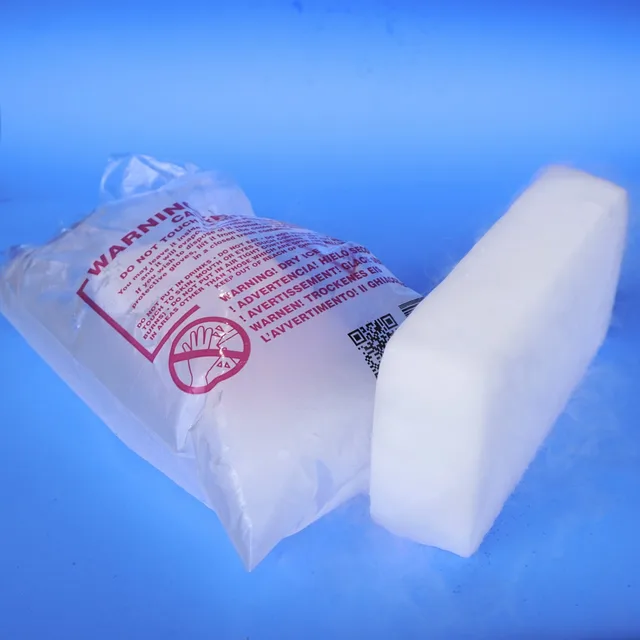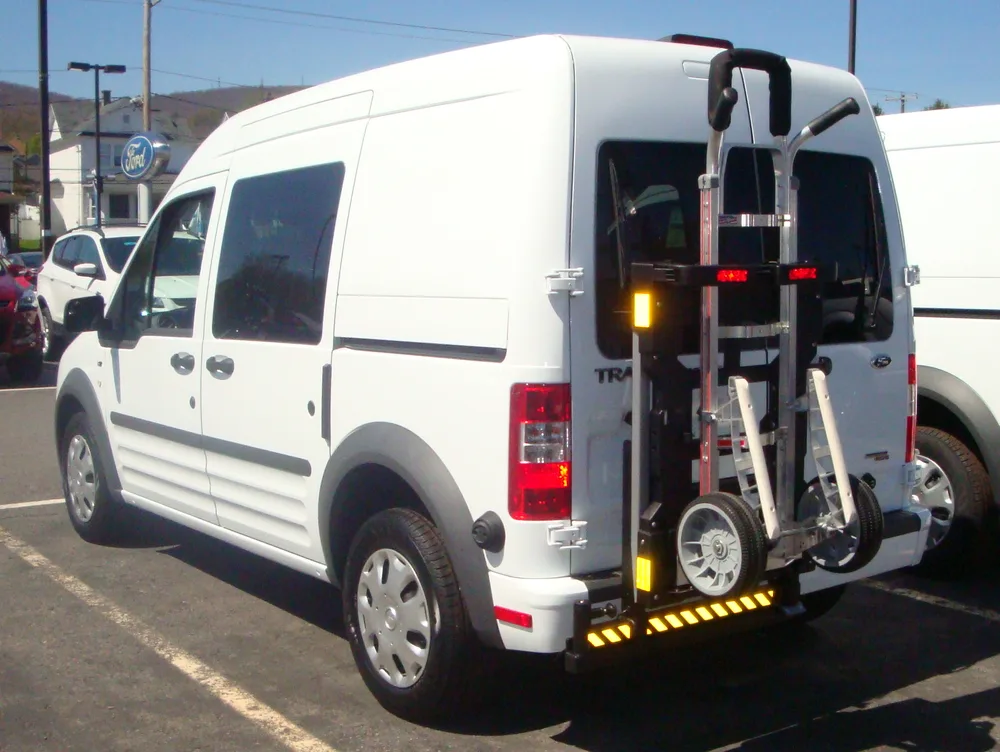
Photo: MobiusDaXter (CC BY-SA)
How Do You Transport Dry Ice Safely?
The key to safe dry ice transportation is understanding its sublimation behavior. As dry ice converts to carbon dioxide gas, buildup in confined spaces becomes a hazard. Proper ventilation protects drivers and handlers from potential oxygen displacement and keeps the dry ice stable during transit.
Not sure how much you'll need? Our dry ice calculator estimates the right quantity for your cooler, shipment, or event in seconds.
Specialized insulated containers that are deliberately non-airtight are the standard here — they allow controlled gas escape while slowing sublimation, which keeps the product colder for longer without letting pressure build up.
Best Practices for Transporting Dry Ice
1. Use Insulated, Non-Airtight Containers
Containers must permit CO₂ gas expansion without creating dangerous pressure conditions. Insulation preserves product quality during transit.
2. Ensure Proper Ventilation in Transport Vehicles
Transport vehicles need ventilation for CO₂ dispersal. Drivers should keep windows slightly open, particularly in smaller vehicles.
3. Minimize Handling and Movement
Reduced handling prevents accelerated sublimation. All containers should be securely fastened to prevent shifting during transport.
4. Maintain Cold Storage for Prolonged Trips
Extended journeys call for temperature monitoring within storage containers to maintain effectiveness and stability.
Transporting Dry Ice by Car
For personal vehicle transport, windows should remain slightly open to permit ventilation. Never transport large quantities of dry ice in a small, closed vehicle — the CO₂ buildup can lead to a dangerous reduction in oxygen levels. For smaller quantities, an insulated cooler is enough.
Safety Equipment for Transporting Dry Ice
Handlers must wear protective dry ice gloves to prevent frostbite. Tongs and other tools minimize direct contact with the extremely cold material.
Why Safe Transport of Dry Ice Is Critical
Improper handling creates serious health risks through carbon dioxide accumulation. Strict transportation guidelines exist to protect personnel, customers, and the environment alike.
How to Travel With Dry Ice
Store dry ice in well-ventilated containers, keep car windows slightly open for airflow, and use protective gloves to avoid frostbite or burns. On extended trips, insulated coolers slow sublimation — plan breaks to check on the dry ice's condition along the way.
Conclusion
Safe dry ice transportation comes down to careful planning and understanding how sublimation behaves in a confined space. Insulated, non-airtight containers, real ventilation, and the right protective gear are what keep dry ice stable and handlers safe, whether you're moving it for medical use, food preservation, or anything in between.