Why Fish Is One of the Most Sensitive Products to Ship
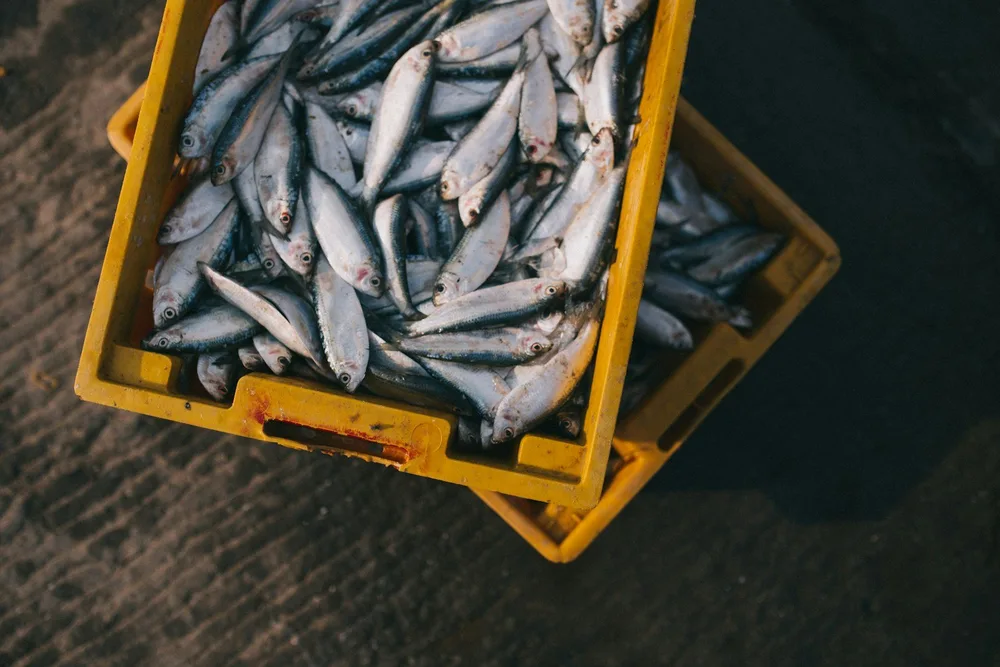
Fish is a high-moisture, high-protein food — which means it's prone to bacterial growth and spoilage when not kept cold enough. Shipping it without a plan isn't just risky — it could result in unsafe food, regulatory violations, or a refund request from a disappointed customer.
For businesses shipping perishables at scale, Sub-Zero Dry Ice runs dedicated frozen food shipping services across South Florida and Puerto Rico.
Fresh fish must be kept near 32°F (0°C), ideally on gel packs or flaked ice, and isn't recommended for multi-day shipping unless expedited.
Frozen fish must remain below 0°F (-18°C) to stay stable and avoid thawing, and is best shipped with dry ice in properly insulated containers.
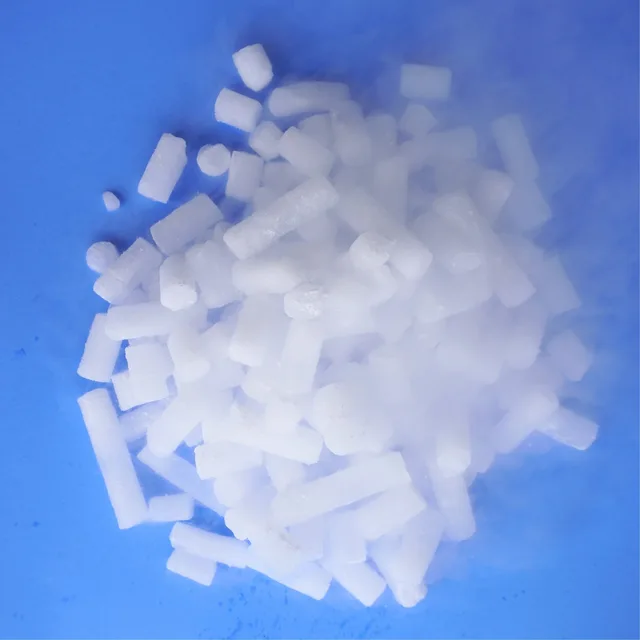
If you're wondering how to ship frozen fish, the answer lies in controlled insulation, smart packaging, and a reliable cold source like dry ice pellets.
Materials You'll Need to Ship Frozen Fish
To keep your fish safe during transit, you'll need a combination of insulation, cooling agents, and protective packaging:
- Dry ice pellets — the preferred method for keeping fish frozen without moisture buildup.
- Insulated cooler — protects against external temperatures. Use a rigid or soft shipping cooler.
- Silver mylar bag — reflects heat and minimizes air transfer inside the cooler.
- Vacuum-sealed fish — helps reduce odor, bacteria exposure, and leakage.
- Cardboard shipping box — provides structural support around the cooler.
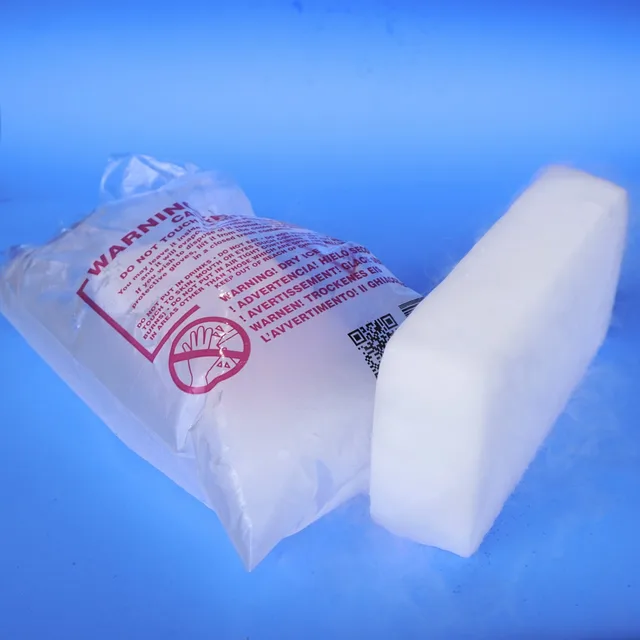
- Shipping tape & dry ice labels — required to meet legal standards and carrier policies.
How to Ship Fish: Step-by-Step Packing Guide
This method applies to both frozen and chilled fish. For frozen, follow all steps below. For fresh fish, replace dry ice with gel packs.
Step 1: Freeze the Fish
Start by freezing the fish completely. Ensure it is vacuum-sealed and solid to prevent partial thawing in transit.
Step 2: Line the Cooler with a Silver Mylar Bag
Place a silver mylar bag inside the cooler to add an extra layer of insulation and reduce condensation.
Step 3: Add Dry Ice Pellets
Place 5–10 lbs of dry ice pellets in the bottom of the cooler. Use more for longer distances.
Step 4: Layer the Fish
Place the fish on top of the dry ice. If packing multiple portions, alternate layers of dry ice and fish. Avoid direct contact to reduce freezer burn.
Step 5: Close & Vent
Seal the silver mylar bag and close the cooler lid. Do not make it airtight — dry ice must have ventilation to prevent gas buildup.
Step 6: Place in Outer Box & Label
Put the cooler inside a cardboard box. Clearly label with "Dry Ice – UN1845," the net weight of dry ice, and "Perishable."
How Long Does Fish Stay Frozen in Transit?
Using dry ice and a well-insulated cooler, frozen fish can stay solid for:
- 5 lbs of dry ice: about 24 hours — suitable for same-day or overnight shipping.
- 10–15 lbs of dry ice: 48–72 hours — suitable for 2-day or weekend trips.
Ambient temperature, package size, and insulation quality will impact results. Always err on the side of over-packing dry ice.
Carrier Guidelines for Shipping Fish with Dry Ice
Most major carriers allow you to ship frozen fish using dry ice, but rules vary slightly.
FedEx
Allows up to 5.5 lbs of dry ice for air, requires UN1845 labeling, and packages must be vented, with no sealed containers.
UPS
Similar to FedEx but allows more for ground shipping. Packages must declare contents and cooling method.
USPS
Allows dry ice, but discourages raw meat and seafood. Best for shelf-stable or smoked fish products.
Common Mistakes to Avoid
- Using too little dry ice — always use more than you think you need, especially in summer.
- Skipping the mylar layer — a silver mylar bag adds up to 25% more cold retention.
- Vacuum seal failure — non-sealed fish may leak, smell, or contaminate the cooler.
- Incorrect labeling — missing "Dry Ice – UN1845" can cause shipment rejection or delay.
- Shipping fresh fish long-distance — unless you're using gel packs and overnight service, stick with frozen fish.
Final Thoughts: Frozen Fish Shipping Made Simple
Shipping fish — especially frozen — requires more than just a box and tape. It takes careful packing, consistent cold, and materials that are up to the job.
By following these best practices for how to ship frozen fish, and using tools like dry ice pellets, coolers, and silver mylar bags, you can make sure your shipment arrives exactly as intended: cold, fresh, and safe.