Why It Matters: The Risks of Improper Frozen Meat Shipping
Before we dive into the how, let's look at why this matters. You might be asking how you can ship frozen meat, or how to ship frozen meat without it thawing. The answer lies in temperature control and packing technique.
For businesses shipping perishables at scale, Sub-Zero Dry Ice runs dedicated frozen food shipping services across South Florida and Puerto Rico.
Improperly packed meat can thaw prematurely, leading to bacterial growth; arrive spoiled or discolored; lead to returns, refunds, or regulatory issues; and risk contamination and foodborne illness.
According to the USDA, perishable foods must be kept below 40°F (4°C) during transport. Frozen meat, ideally, should stay at 0°F or lower. Without proper insulation and cooling agents like dry ice pellets, that's nearly impossible.
Materials You'll Need to Ship Frozen Meat
To ensure your meat stays frozen from pickup to delivery, start with the right materials. Each item plays a specific role in insulation, preservation, and safety:
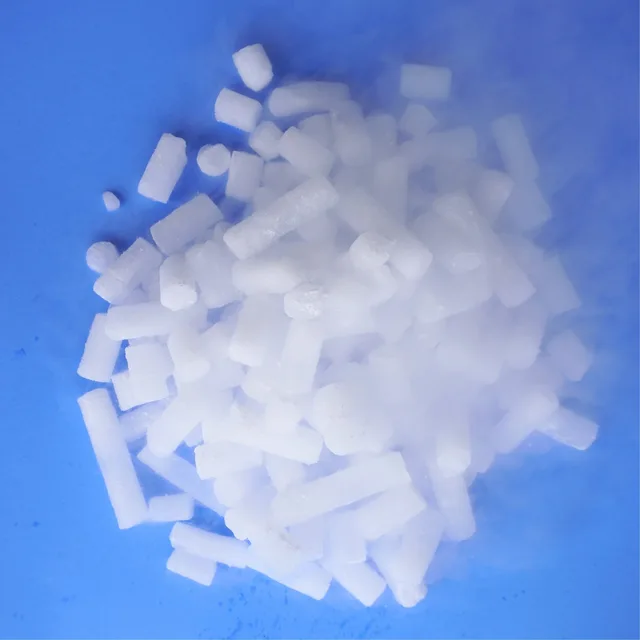
- Dry ice pellets — the most efficient way to keep meat frozen during transit. It sublimates (turns to gas) rather than melting, avoiding moisture buildup.
- Insulated cooler — a rigid or soft-sided cooler designed for shipping retains cold air and prevents external heat transfer.
- Silver mylar bag — acts as a thermal barrier inside the cooler, reflecting heat and preventing condensation from reaching the meat.
- Vacuum-sealed packaging — keeps the meat airtight, preventing contamination and freezer burn.
- Shipping box — corrugated cardboard exterior for added protection.
- Packing tape & gloves — use gloves when handling dry ice to prevent burns.
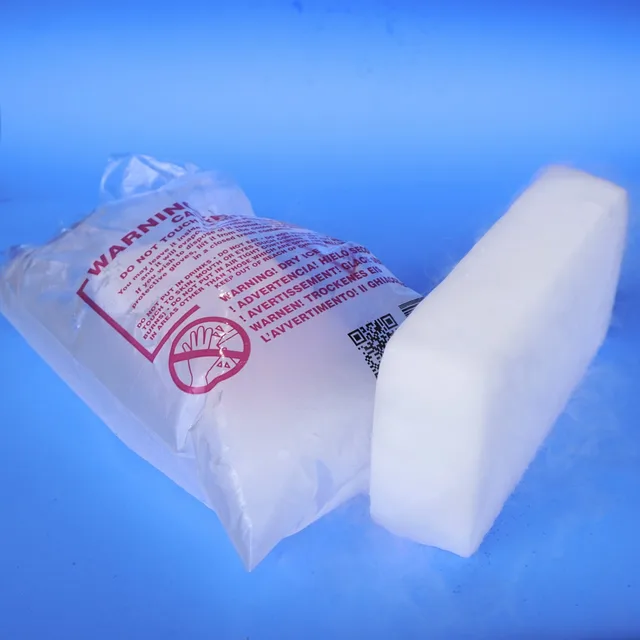
- Dry ice label & UN1845 declaration — required by most carriers when shipping with dry ice.
Step-by-Step: How to Pack and Ship Frozen Meat
Step 1: Freeze Meat Solid
Before packing, ensure the meat is completely frozen solid. Semi-frozen products increase the risk of thawing mid-shipment and can reduce the effectiveness of dry ice.
Step 2: Line Your Cooler with a Silver Mylar Bag
Place a silver mylar bag inside the cooler to reflect heat and enhance insulation. This adds a crucial second barrier, especially during long transits.
Step 3: Place a Layer of Dry Ice on the Bottom
Use dry ice pellets — they distribute cold more evenly than blocks. Line the bottom with 5–10 lbs depending on your transit time (overnight vs. 2-day).
Pro tip: for every 24 hours in transit, you'll need approximately 5–10 lbs of dry ice depending on cooler size and meat quantity.
Step 4: Layer and Separate
Add a layer of meat, another layer of dry ice, and repeat. Use cardboard dividers or insulation to prevent direct contact between meat and dry ice, which can cause freezer burn.
Step 5: Seal the Mylar Bag and Close the Cooler
Once the meat and dry ice are layered, close the silver mylar bag and seal the cooler. Make sure the lid is secure, but allow for ventilation — do not airtight seal a package containing dry ice.
Step 6: Box and Label
Place the cooler inside a corrugated shipping box. Use sturdy packing tape. Label the box with "Dry Ice – UN1845," the net weight of dry ice used, and "Perishable" and "Handle With Care."
How Long Can Frozen Meat Stay Cold with Dry Ice?
If you're wondering how to ship frozen meat and keep it frozen for days, the answer depends on dry ice quantity, cooler insulation, ambient temperature, and carrier speed. In general:
- 5–10 lbs of dry ice: 24–30 hours — suited for overnight or 2-day shipping.
- 15–20 lbs of dry ice: 48+ hours — suited for cross-country shipments.
Always plan for the worst-case delay scenario. Better to use more dry ice than not enough.
Carrier Guidelines and Legal Requirements
Shipping meat with dry ice? You'll need to follow carrier guidelines. Most major carriers — including FedEx and UPS — allow dry ice shipping, but with strict requirements.
FedEx Requirements
Must label with "Dry Ice – UN1845," include dry ice net weight on the label, and the package must allow gas to escape through venting.
UPS Requirements
Dry ice shipments are allowed up to 5.5 lbs for air or 66 lbs for ground. Shipping meat must be declared as perishable.
USPS Notes
USPS allows dry ice but does not recommend shipping raw meat. It's ideal for cured or shelf-stable meats only.
Always check with your carrier for the most updated restrictions and labeling requirements.
Common Mistakes to Avoid
Even experienced shippers get tripped up. Here's what not to do when learning how to ship frozen meat:
- Not enough dry ice — always overestimate for long hauls. Better safe than thawed.
- Using regular ice instead of dry ice — regular ice melts and increases risk of spoilage.
- Airtight sealing with dry ice inside — sealed containers with dry ice can explode due to pressure buildup. Ventilation is essential.
- Skipping the silver mylar bag — skipping this layer leads to faster heat transfer, especially in warm climates.
- No labeling or declaration — packages without proper labeling can be delayed or rejected by the carrier.
Final Thoughts: Ship It Right, Every Time
Knowing how to ship frozen meat properly is a must if you're sending perishable goods across states, to customers, or to family. With the right combination of materials — dry ice pellets, coolers, and silver mylar bags — you can ensure your meat arrives cold, safe, and exactly as intended.
Don't leave freshness to chance when packing perishable shipments.