Photo: Chris Potako (CC BY)
What Makes Dry Ice So Unique?
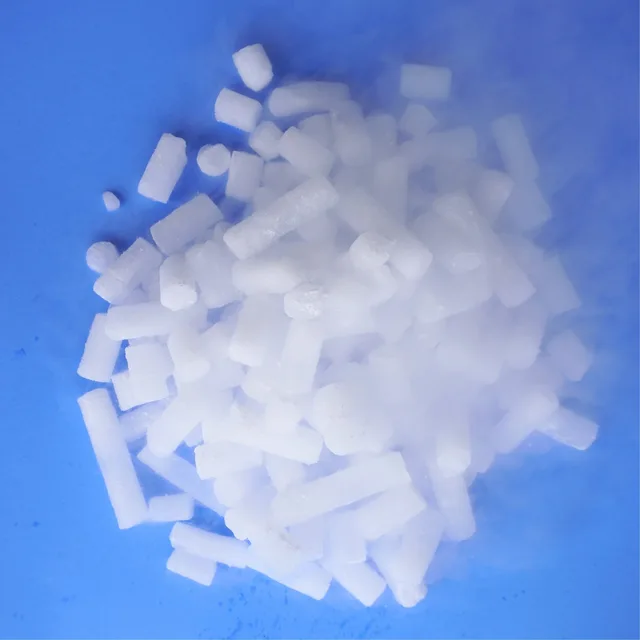
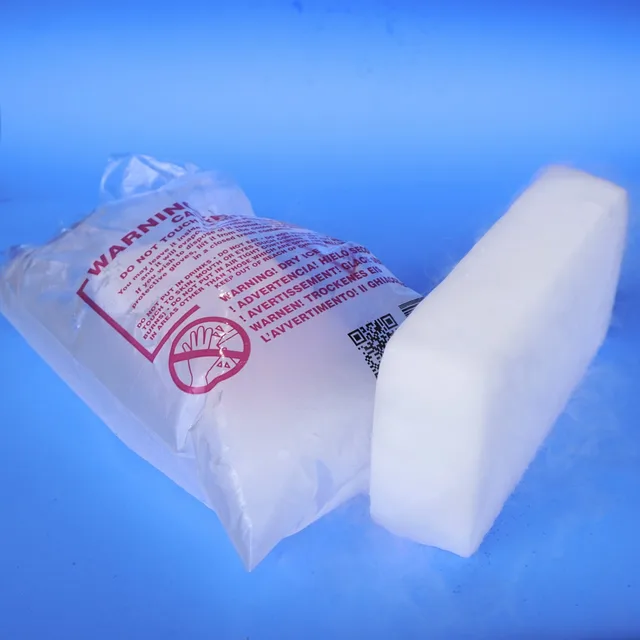
Dry ice is the solid form of carbon dioxide (CO₂), and its extremely cold temperature and sublimation properties make it perfect for a variety of cool and fun experiments. Unlike regular ice, which melts into water, dry ice sublimates, turning directly from a solid into gas — that's what creates the signature fog effect, perfect for everything from spooky decorations to hands-on science experiments.
Planning something bigger? Sub-Zero Dry Ice offers dry ice for events and catering, delivered same-day across South Florida.
From fog effects at parties to dry ice bubbles and more, this guide walks through some of the best ways to use dry ice for fun, plus a genuinely practical use: a homemade mosquito trap. With a little creativity and the right safety precautions, the possibilities are almost endless.
Cool Things to Do With Dry Ice
Creating Fog Effects for Parties
One of the most classic uses of dry ice is a dramatic fog effect. Whether you're hosting a themed party, setting up spooky Halloween decorations, or just want to add excitement to a gathering, dry ice fog transforms any atmosphere.
To create fog, place a small amount of dry ice into a container of warm water. As it sublimates, it produces thick, dense fog that spills over the edges of the container. Place the container inside a punch bowl or around a themed display for a mystical, eerie feel — colored lighting or themed props take it further. It's easy to set up and a sure way to impress guests, which is why so many Halloween parties lean on dry ice for that spooky, otherworldly vibe.
Dry Ice and Water Reaction
The reaction between dry ice and water is a striking demonstration of sublimation and gas production. When dry ice is placed in water, it sublimates, transitioning directly from solid to gas without becoming liquid, producing carbon dioxide gas that creates the dramatic fog-like effect often seen in theatrical performances or science demonstrations.
The fog is actually a mixture of water vapor and carbon dioxide gas. The temperature difference between the dry ice and water causes the water vapor to condense, enhancing the effect — and submerging dry ice in warm water makes the reaction more vigorous, producing more gas and thicker fog. Always handle it with protective gloves, since it can cause frostbite on contact with skin.
Dry Ice Bubbles
For a next-level visual effect, you can create giant, fog-filled bubbles — fun for kids and adults alike. You'll need a bowl of warm, soapy water, a piece of cloth, and some dry ice.
Place a small piece of dry ice in the bowl of warm water; it will start to sublimate and create fog inside the bowl. Dip the cloth in soapy water and carefully run it along the edge of the bowl to create a film of soap. As the dry ice keeps sublimating, it forms a giant bubble filled with fog that expands as more gas is produced — until it grows large enough to pop, releasing the fog into the air. It's a genuine visual spectacle, and it demonstrates sublimation and gas expansion in a hands-on way.
Dry Ice Balloons
Inflating balloons with dry ice is a simple, fascinating demonstration of the carbon dioxide gas it produces as it sublimates. You'll need a balloon, a small piece of dry ice, and a plastic bottle.
Place a small piece of dry ice inside the plastic bottle, then stretch the balloon over the bottle's mouth, sealing it tightly. As the dry ice sublimates into gas, it inflates the balloon — a fun experiment kids especially love, watching the balloon grow as more gas is produced.
More Fun Stuff to Do With Dry Ice
Dry Ice Color-Changing Experiments
Combining dry ice with color-changing liquids makes for a visually exciting, simple experiment. You'll need a bowl of warm water, dry ice, and a pH-sensitive liquid like red cabbage juice or a commercial color-changing solution.
Place the dry ice in the warm water — as it sublimates and releases CO₂ gas, it interacts with the liquid's pH and changes its color. The bubbling and fog, combined with the shifting colors, make this one of the most visually striking experiments you can run, and a great way to explore chemical reactions hands-on.
Dry Ice in a Pool
Dry ice in a pool creates a mesmerizing fog effect perfect for parties, celebrations, or a fun afternoon with friends — a dramatic backdrop for photos or a unique way to entertain guests. When dropped into warm pool water, it sublimates rapidly, releasing carbon dioxide gas and producing thick clouds of fog that cascade over the surface.
Use small pieces of dry ice to control how much fog is generated, and always handle it with gloves or tongs to avoid frostbite from its extremely low temperature.
Safety Precautions
- Ventilation is key. The carbon dioxide gas produced can displace oxygen, especially in enclosed spaces. A large outdoor area is generally safer, but keep monitoring the situation.
- Limit interaction. Avoid letting swimmers stay in the pool while dry ice is actively sublimating — the fog can obscure visibility and make it hard to see hazards.
- Start small. Begin with small amounts to gauge the effect without overwhelming the area with gas.
- Supervise kids. If children are involved, supervision is essential — explain the safety rules and make sure they understand the risks.
Dry Ice Exploding Film Canisters
For something more explosive, small "explosions" with dry ice and film canisters demonstrate how gas pressure builds inside a sealed container. Fill a film canister about halfway with warm water, add a small piece of dry ice, quickly seal the lid, and step back — the pressure buildup pops the lid off and launches the canister into the air. Do this only in an open space and follow all safety precautions, since the canister can fly off with real force.
Dry Ice Musical Instruments
Dry ice can make metal objects vibrate when placed on its surface, producing eerie sounds that shift as it sublimates. Place a metal object — a spoon, fork, or coin — against a piece of dry ice and listen as it produces high-pitched, vibrating sounds. Rapid sublimation creates vibrations that transfer to the metal, causing it to hum; different sizes and shapes of metal change the sound. It's a hands-on way to learn about physics while enjoying the novelty of "playing" dry ice.
Dry Ice Mosquito Trap
How to Create a Dry Ice Mosquito Trap
Beyond fun experiments, dry ice has a genuinely practical use: a mosquito trap. Mosquitoes are attracted to carbon dioxide (CO₂), which humans exhale, and as dry ice sublimates, it releases CO₂, making it an effective lure.
You'll need a small cooler or container, some dry ice, and a fine mesh or screen. Place the dry ice inside the container and leave the top slightly open. As it sublimates, the CO₂ gas attracts mosquitoes to the area — position the trap near where mosquitoes tend to gather, such as standing water or dense vegetation. The mesh or screen prevents them from escaping once they're drawn in, making this one of the most practical uses of dry ice if you're dealing with a mosquito problem at outdoor events or in your backyard.
Why Dry Ice Works for Mosquito Traps
Mosquitoes are naturally attracted to carbon dioxide because they use it to locate potential hosts. By releasing CO₂ as it sublimates, dry ice mimics human breath and lures them in — once mosquitoes are close to the CO₂ source, they can be trapped and disposed of. It's a chemical-free way to manage mosquito populations, and dry ice provides a steady CO₂ release over several hours, making it highly effective for outdoor spaces.
Safety Tips for Handling Dry Ice
Using Dry Ice Safely at Home
Dry ice is extremely cold at -109.3°F (-78.5°C), and direct contact with skin can cause severe burns. Always use dry ice gloves or thick, insulated gloves, and avoid touching it with bare skin — use tongs or other tools to move it and minimize the risk of accidental contact.
Use dry ice in a well-ventilated area for any of these experiments. As it sublimates, it releases carbon dioxide gas, which can displace oxygen in confined spaces — make sure wherever you're using it has good airflow, especially indoors.
Proper Disposal of Dry Ice
Never throw dry ice in the trash, and don't flush it down the sink or toilet. The safest way to dispose of leftover dry ice is to let it sublimate in a well-ventilated area, away from pets and children — place it in an open container with good airflow, and it will gradually turn into gas and dissipate without leaving any residue behind.
Conclusion
Dry ice offers a wide range of fun and practical uses that can make your events more exciting or solve everyday problems, like attracting mosquitoes. Whether you're creating dramatic fog effects for a party, experimenting with bubbles and balloons, or setting up a mosquito trap to keep bugs at bay, there's no shortage of cool things to do with dry ice. Just remember to follow proper safety precautions — insulated gloves, good ventilation — so you can enjoy all of it without any risk.