Spoiled food and warm drinks can quickly ruin a camping trip. Dry ice is a straightforward way to keep both cold for the length of an outdoor trip, without the constant ice runs regular coolers demand.
Not sure how much you'll need? Our dry ice calculator estimates the right quantity for your cooler, shipment, or event in seconds.
Understanding Dry Ice
Dry ice is solid carbon dioxide at -78.5°C (-109.3°F) — far colder than water ice. Its defining property is sublimation: it turns directly from solid to gas, so it never leaves water pooling in your cooler. Direct skin contact risks frostbite, and CO₂ buildup in an enclosed space needs proper ventilation to avoid becoming a hazard.
Benefits of Using Dry Ice for Camping
- Extended cooling power — dry ice can keep food and drinks frozen for several days, far longer than regular ice, useful on longer trips without access to refrigeration
- No mess, no hassle — sublimation means no water puddles, so the cooler stays clean and organized
- Space efficient — dry ice takes up less cooler space than regular ice, leaving room for more supplies
- Great for sensitive items — the extreme cold preserves frozen food like meat and ice cream effectively
How to Use Dry Ice in an Ice Chest for Camping
Prepare Your Cooler
Clean it thoroughly and make sure it's dry before packing. Close off any drain to prevent leaks.
Layering the Dry Ice
Place the dry ice on the bottom of the cooler, layer food above it, and use cardboard or towels as a barrier between the dry ice and the food. Leave room for air to circulate.
Seal the Cooler
Close it tightly, but leave any built-in vents slightly open so carbon dioxide gas can escape.
Safety Precautions When Using Dry Ice for Camping
Use Protective Gear
Always wear gloves when handling dry ice — the extreme cold can cause severe frostbite on direct contact. Use thick gloves or tongs, never bare hands.
Ensure Proper Ventilation
Keep the area well-ventilated, especially in confined spaces like a tent or vehicle, to prevent CO₂ accumulation and suffocation risk.
Store Responsibly
Keep dry ice in a well-ventilated spot away from children and pets. Never seal it in an airtight container — pressure buildup is a real hazard.
Educate Your Group
Make sure everyone camping with you understands how to handle it and what the risks are.
Choosing the Right Dry Ice for Camping
Quantity
Plan on roughly 5–10 pounds of dry ice for a cooler sized for a 48–72 hour trip, adjusting up or down based on cooler size and contents.
Form
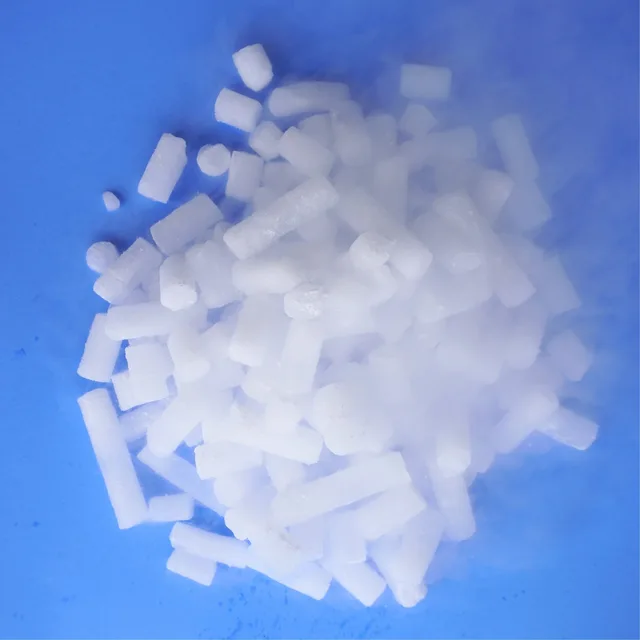
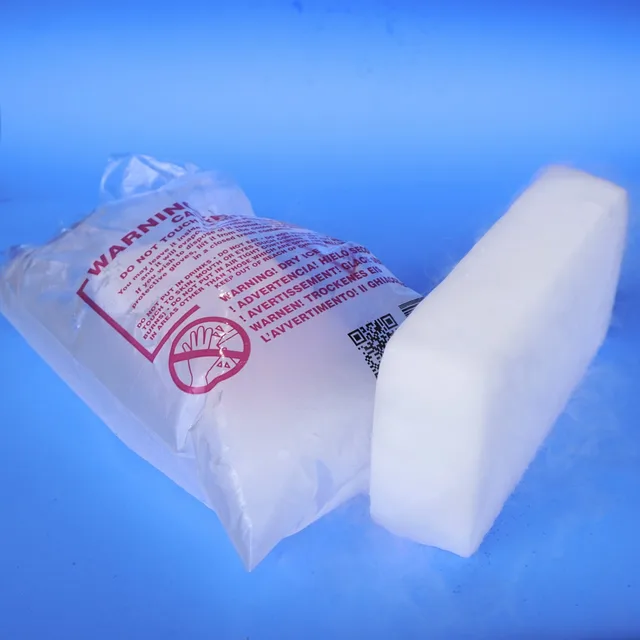
Pellets pack tightly for even cooling; blocks last longer but take up more space. Pick whichever suits how you've packed the cooler.
Source
Buy from a reliable supplier — a grocery store or a specialty ice company — and plan ahead, since availability varies by location.
Done right, dry ice keeps a camping cooler cold for days rather than hours, with far less mess than melting ice.