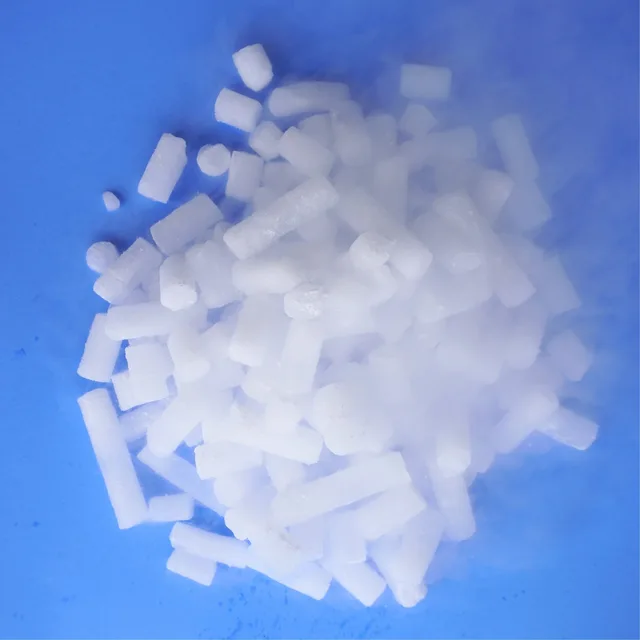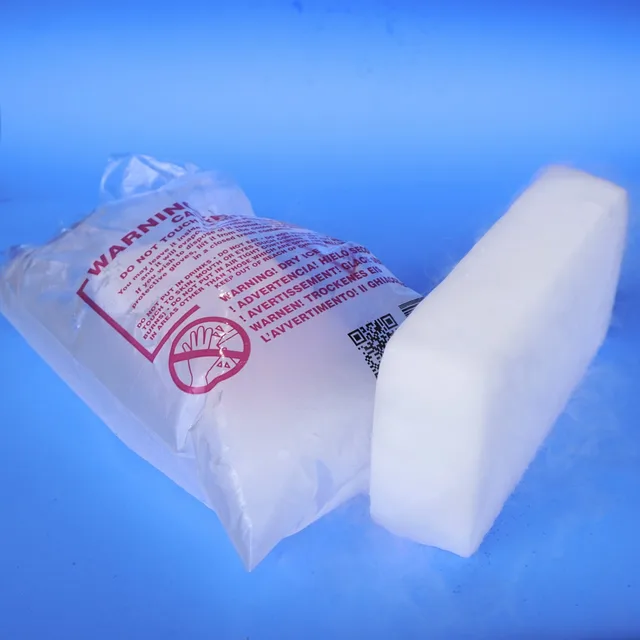
When it comes to keeping items cold on outdoor adventures, Icemule coolers are a popular choice for their portability, durability, and insulation. But can you use an Icemule cooler with dry ice, and if so, how do you do it safely? Here’s a detailed look at getting the most out of dry ice in an Icemule cooler — and why a cooler built around dry ice can still outperform it.
Looking for the right packaging? Sub-Zero Dry Ice stocks insulated coolers and gel packs built for dry ice cold chain.
Can You Use Dry Ice in an Icemule Cooler?
Yes, you can use dry ice in an Icemule cooler, but it takes following the right guidelines for safety and performance. Icemule coolers use high-quality insulation that can handle the extreme cold of dry ice, making them workable for keeping items frozen on trips, tailgating, or camping. Since dry ice sublimates — turning directly from solid to gas — its use requires a few special precautions.
How to Safely Use Dry Ice in an Icemule Cooler
1. Prepare the Cooler
Before adding dry ice, make sure the cooler is clean and free of moisture — dry ice performs best in a dry environment, since moisture speeds up sublimation. Check for ventilation too: since dry ice releases carbon dioxide gas, the cooler shouldn’t be completely airtight. Leave a small gap in the seal so gas can escape safely.
2. Protect the Contents
Avoid placing items directly on the dry ice — the extreme cold (-109.3°F / -78.5°C) can damage or freeze them. Use a barrier like a towel, cardboard, or thick plastic to separate dry ice from food or drinks.
3. Layer the Dry Ice
Place dry ice at the bottom of the cooler, then layer items on top, using extra insulation to fill empty spaces and cut down on air circulation, which speeds sublimation.
4. Monitor Handling and Ventilation
Always wear insulated gloves when handling dry ice to prevent frostbite, and keep the cooler in a well-ventilated area to avoid a buildup of carbon dioxide gas. Never store an Icemule cooler with dry ice in a confined space like a car trunk.
5. Manage Sublimation
Dry ice naturally sublimates over time, so plan for the loss with sufficient quantities. It typically sublimates at 5–10 pounds every 24 hours, depending on external temperature and insulation.
Benefits of Using Dry Ice in an Icemule Cooler
Extended cooling. Dry ice keeps items frozen for longer than regular ice, which matters on extended trips.
No water mess. Unlike regular ice, dry ice doesn’t melt into water, keeping the cooler clean and dry.
Compact and lightweight. Dry ice takes up less space and weight than the equivalent amount of regular ice, freeing up storage room.
Icemule coolers perform well with dry ice, but there are limits, especially for more demanding applications.
Why Sub Zero Coolers Are the Best for Dry Ice Use
For anyone who needs top performance and safety with dry ice, Sub Zero Coolers are built specifically for it — and outperform a standard Icemule cooler on a few key points:
- Advanced insulation technology: multi-layered insulation minimizes heat transfer, so dry ice lasts significantly longer than in a cooler optimized for regular ice.
- Enhanced durability: heavy-duty materials built to withstand rugged outdoor use and extreme temperatures, well suited for hunting, fishing, and medical transport.
- Ventilation features: built-in ventilation systems designed to prevent carbon dioxide buildup and keep handling and storage safe.
- Versatility for long-duration use: consistent performance whether it’s a weekend camping trip or transporting perishables over long distances.
Comparing Icemule Coolers and Sub Zero Coolers for Dry Ice
- Insulation: Icemule is excellent for regular ice; Sub Zero is built for dry ice specifically.
- Portability: Icemule is lightweight and easy to carry; Sub Zero is sturdier and heavier, built for long-term use.
- Durability: Icemule holds up for casual outdoor use; Sub Zero is heavy-duty for extreme conditions.
- Dry ice ventilation: limited on Icemule; built-in ventilation systems on Sub Zero.
- Dry ice performance: good for short-term use on Icemule; exceptional for long-term storage on Sub Zero.
Final Tips for Using Dry Ice in Any Cooler
Plan for sublimation. Always account for dry ice loss on extended trips — figure roughly 5–10 pounds per day, depending on cooler size and duration.
Avoid direct contact. Protect both your items and the cooler lining with barriers like towels or foam layers.
Prioritize ventilation. Never seal a cooler completely, and make sure there’s airflow to avoid pressure buildup.
Conclusion: Choosing the Right Cooler for Dry Ice
An Icemule cooler with dry ice works fine for short-term applications, but Sub Zero Coolers are the better choice for anyone who needs maximum cooling efficiency, safety, and durability. Whether you’re transporting perishable goods or heading out on an outdoor adventure, a cooler built for dry ice makes a real difference.