Photo: Sergiy Galyonkin from Raleigh, USA (CC BY-SA)
What Is Dry Ice Paint Removal?
Dry ice paint removal, also known as dry ice paint stripping, is a method where dry ice — in pellet or block form — is used to blast away layers of paint from a surface. Unlike traditional sandblasting or chemical strippers, dry ice blasting doesn't rely on harsh chemicals or abrasive materials. Instead, the cold temperature of the dry ice, combined with the force of impact, removes paint by causing it to contract and separate from the surface.
If your facility needs a deeper clean, Sub-Zero Dry Ice offers professional dry ice blasting for equipment, machinery, and industrial surfaces.
This method is highly effective for removing paint from a wide range of materials, including metals, wood, and concrete, without damaging the surface underneath. Because dry ice sublimates — turning directly into gas — it leaves no residue behind, which eliminates the post-cleanup that other paint removal techniques usually require.
How Does Dry Ice Blasting Work for Paint Removal?
Dry ice blasting propels dry ice pellets or blocks at high speed toward the painted surface. The extreme cold of the dry ice (-109.3°F or -78.5°C) causes the paint to freeze and contract, weakening its bond with the material underneath. As the pellets hit the surface, the impact lifts the paint away, leaving the original surface intact and clean.
Because it's non-abrasive, dry ice paint stripping won't scratch or etch the underlying material — an excellent choice for delicate surfaces, historic restorations, or anywhere preserving the material's integrity is critical. It's also environmentally friendly, since it doesn't involve harmful chemicals or produce secondary waste like other stripping methods.
Benefits of Using Dry Ice Blasting for Paint Removal
- Non-toxic and eco-friendly. Dry ice sublimates directly into CO₂ gas, leaving no harmful residue behind — a genuinely green alternative to chemical strippers.
- Minimal cleanup. Because dry ice sublimates on contact, there's no messy runoff or extra waste to clean up after the paint is removed, which makes dry ice blasting efficient for time- and cleanliness-sensitive projects.
- Surface preservation. Unlike abrasive methods, dry ice blasting doesn't damage the surface underneath the paint — metal, wood, or concrete stays smooth and intact, ideal for sensitive or high-value surfaces.
Applications for Dry Ice Paint Removal
- Industrial equipment. Removing paint from machinery without damaging the underlying components is critical across many industries, and dry ice blasting provides a fast, effective solution.
- Automotive. For car restoration projects, dry ice blasting strips paint from body panels without warping or damaging the metal beneath.
- Building restoration. On older or historic buildings, preserving the original surface is essential — dry ice paint stripping gently removes layers of paint without damaging brick, wood, or stone.
Choosing the Right Dry Ice for Paint Removal
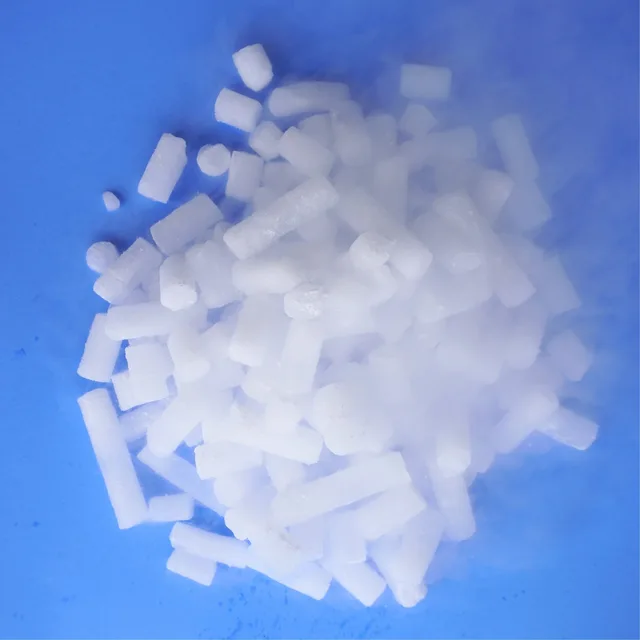
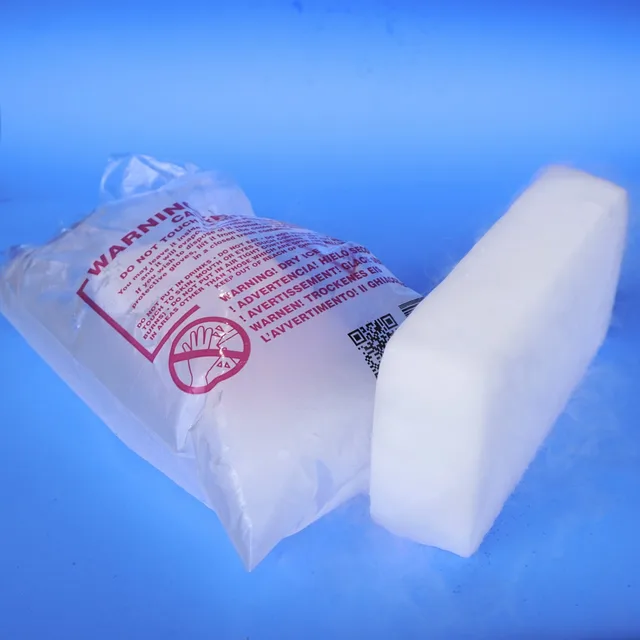
It's important to select the right form of dry ice for your blasting equipment. Dry ice pellets are typically preferred for most blasting applications, since they move easily through blasting machines and offer a more targeted impact. Dry ice blocks, on the other hand, can be crushed to create the size needed for custom applications.
Safety Tips for Dry Ice Paint Removal
Whenever handling dry ice, safety is essential. Always wear dry ice gloves to protect your hands from the extreme cold, and make sure the area where you're blasting is well-ventilated to prevent a buildup of carbon dioxide gas. Keep your equipment properly maintained to avoid issues during the blasting process.
Conclusion
Dry ice paint stripping is an eco-friendly, effective way to remove paint from surfaces without causing damage or leaving behind harmful waste. Whether you're working on industrial equipment, automotive parts, or historic buildings, dry ice blasting offers a genuinely superior alternative to traditional stripping methods.