Dry ice is an invaluable tool for shipping temperature-sensitive materials, including vaccines, biological specimens, and perishables. But because of its extreme cold and sublimation behavior, it’s essential to follow proper protocols for safe handling and transport. The Centers for Disease Control and Prevention (CDC) has published guidelines for packing and shipping with dry ice to keep both people and cargo safe.
Shipping by air or through Miami International? Sub-Zero Dry Ice handles airport cold chain logistics for cargo and courier freight.
Why Follow CDC Guidelines for Packing Dry Ice?
Dry ice, the solid form of carbon dioxide, sublimates directly into gas at room temperature. It’s an effective cooling agent, but it can pose real risks: pressure buildup in airtight containers, or oxygen displacement in enclosed spaces. The CDC’s guidelines address those risks directly, protecting both handlers and the integrity of the shipment. Following them keeps you compliant with regulatory standards and cuts the risk of accidents in transit.
Step-by-Step: How to Pack Dry Ice According to CDC Guidelines
1. Choose the Right Packaging
Use insulated containers to minimize sublimation and hold the required temperature for the shipment. Good options include:
- Styrofoam coolers or insulated shipping boxes
- Containers designed for dry ice, with proper ventilation to let gas escape
- Boxes rated for temperature-sensitive materials, for durability in transit
Avoid completely airtight containers — carbon dioxide gas buildup can cause them to rupture.
2. Calculate the Required Amount of Dry Ice
How much you need depends on the size of the container, the type of contents, and how long the transit takes. As a rough guide:
- Small shipments: approximately 5–10 pounds of dry ice
- Larger shipments or extended transit times: up to 20 pounds or more
Factor in the sublimation rate — dry ice can lose 5–10 pounds per day depending on conditions. Slightly overestimating is the safe move, to make sure cooling holds for the whole trip.
3. Layer and Secure the Dry Ice
Layering the dry ice inside the container gives the most even cooling. Follow this order:
- Place a base layer of dry ice at the bottom of the container.
- Add the contents, sealed in plastic or another protective barrier to avoid direct contact with the dry ice.
- Add additional dry ice on top and around the sides of the contents for even cooling.
Pack the contents snugly to minimize shifting during transit.
4. Ventilate the Packaging
Proper ventilation is critical so carbon dioxide gas can escape safely. Never seal a container completely:
- Use containers with ventilation holes or breathable lids.
- Avoid taping the lid shut completely — leave gaps for gas to escape.
- Label the package to indicate it contains dry ice, with a ventilation warning.
5. Label the Shipment
Clear labeling is mandatory when shipping with dry ice, both for compliance and to warn handlers of potential hazards. Shipments should show:
- “Dry Ice” or “Carbon Dioxide Solid” markings
- The weight of the dry ice in kilograms or pounds
- A hazard class 9 label (miscellaneous dangerous goods)
This information needs to be visible on the exterior of the container.
6. Handle and Transport Safely
When handling dry ice, follow these precautions:
- Wear insulated gloves to avoid frostbite.
- Keep the container in a well-ventilated area during preparation and transport.
- Avoid storing dry ice in enclosed spaces like car trunks or small rooms, where carbon dioxide gas can displace oxygen.
For long-distance shipping, choose a carrier experienced in handling dry ice shipments to make sure they’re following the relevant regulations too.
Tips for Compliance and Efficiency
Plan for sublimation. Dry ice sublimates at roughly 5–10 pounds every 24 hours in a well-insulated container — account for that loss, especially on longer transit times.
Use protective barriers. Wrap contents in plastic or waterproof bags to prevent moisture damage from sublimation.
Communicate with carriers. Let the shipping carrier know dry ice is present and confirm their handling protocols ahead of time.
Common Applications of CDC Guidelines for Dry Ice Packing
Medical shipments. Vaccines, biological samples, and lab specimens often need precise temperature control, which is exactly what these guidelines are built for.
Perishables. From frozen foods to specialty items, proper packing keeps quality and freshness intact on arrival.
Pharmaceuticals. Medications sensitive to temperature swings benefit directly from CDC-aligned packing methods.
Why Choose Sub Zero Dry Ice for CDC-Compliant Shipments?
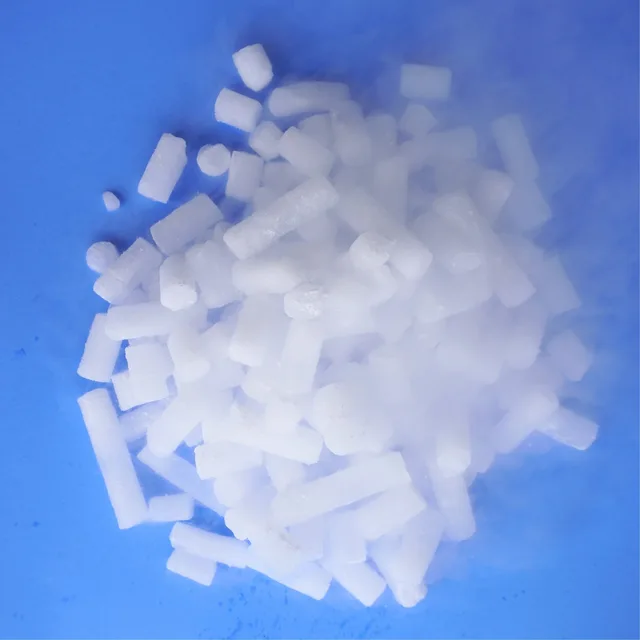
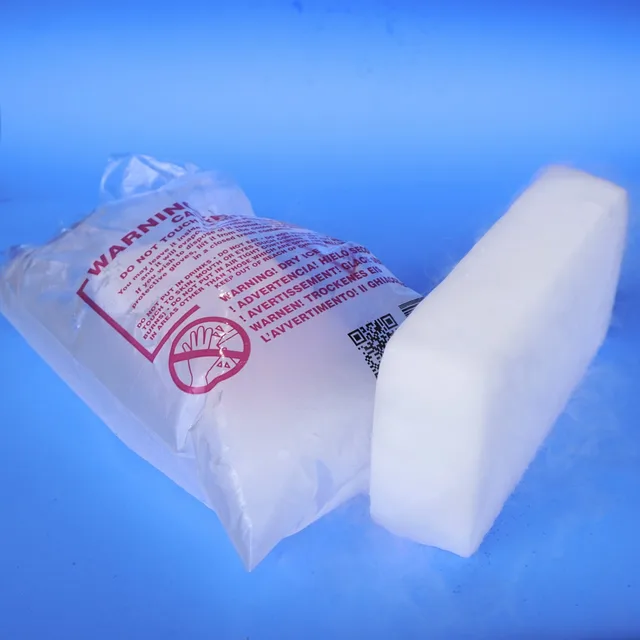
Sub Zero Dry Ice specializes in high-quality dry ice products and packing support that meets CDC guidelines. For vaccines, perishable goods, or industrial material shipments, we provide premium blocks, pellets, and slices, expedited same-day or next-day delivery, and expert advice on packing, handling, and regulatory compliance.
Conclusion
Understanding how to pack dry ice according to CDC guidelines matters for anyone shipping temperature-sensitive items. Following these steps protects the people handling the shipment, keeps you compliant, and preserves the integrity of what you’re sending. Sub Zero Dry Ice supports all of that with quality product and expert service, making the packing process straightforward.