What Is Wet Ice?
Wet ice is the traditional ice made from frozen water. It is commonly used for cooling drinks, preserving food for short periods, and making ice packs. However, wet ice has limitations when it comes to maintaining freezing temperatures for an extended period.
Not sure how much you'll need? Our dry ice calculator estimates the right quantity for your cooler, shipment, or event in seconds.
Key Characteristics of Wet Ice
- Composition: solid H2O (water)
- Temperature: 0°C (32°F) — suitable for chilling but not freezing
- Melting and mess: melts into water, which can make packaging and food soggy
- Availability: easily accessible at grocery stores, gas stations, and convenience stores
- Cost: affordable and suitable for everyday cooling needs
Pros: affordable and accessible, safe to handle with no special equipment required, and versatile for chilling drinks, food, and small spaces.
Cons: melts quickly and requires frequent refills, has limited cooling power, and isn't suitable for preserving perishable or frozen goods.
Wet ice is suitable for casual gatherings, picnics, and short-term cooling needs but is not effective for long-term storage or maintaining frozen temperatures.
What Is Dry Ice?
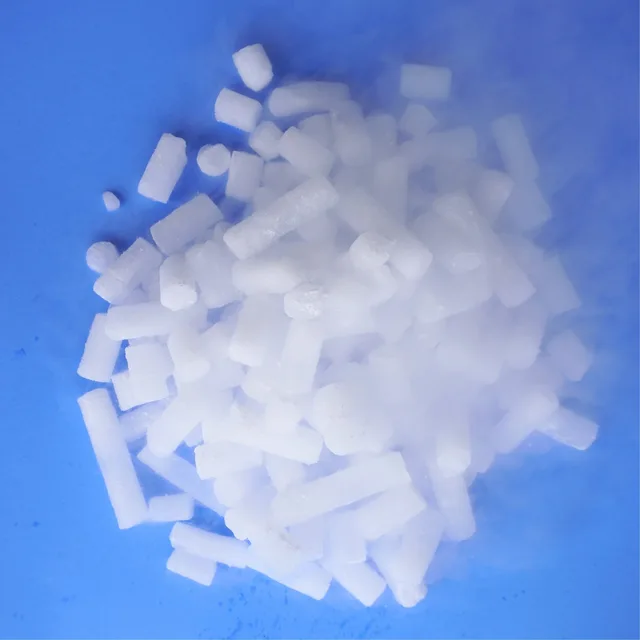
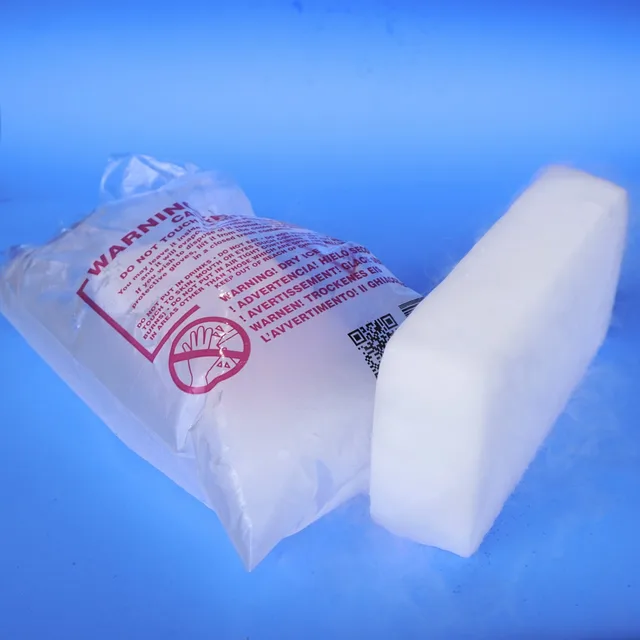
Dry ice is the solid form of carbon dioxide (CO2). It sublimates directly from a solid to a gas without turning into a liquid, making it ideal for maintaining freezing temperatures without the mess of melted water.
Key Characteristics of Dry Ice
- Composition: solid CO2 (carbon dioxide)
- Temperature: -78.5°C (-109.3°F) — extremely cold and ideal for freezing
- Sublimation: changes directly from solid to gas, leaving no liquid residue
- Cooling power: rapid cooling and maintains freezing temperatures longer
- Handling and safety: requires gloves and ventilation due to extreme cold and CO2 gas release
Pros: extremely cold temperature that maintains freezing for extended periods, no water mess since it sublimates directly into gas, long-lasting cooling power ideal for long trips and power outages, and versatile applications across food, medical, and shipping.
Cons: requires gloves and proper ventilation, isn't as widely available as wet ice, and costs more due to specialized production and storage.
Dry ice is ideal for maintaining freezing temperatures, preventing spoilage, and ensuring long-lasting cold storage, making it perfect for emergencies, outdoor events, and transporting frozen goods.
Dry Ice vs. Wet Ice – Key Differences
1. Temperature
Dry ice sits at -78.5°C (-109.3°F) — much colder, perfect for freezing. Wet ice sits at 0°C (32°F) — ideal for chilling but not freezing.
2. Cooling Power
Dry ice cools faster and maintains freezing temperatures longer, making it ideal for preserving perishable goods, medical supplies, and frozen foods. Wet ice cools more slowly and melts quickly, requiring frequent refills. It is better suited for short-term chilling and cooling beverages.
3. Melting and Mess
Dry ice sublimates into gas, leaving no water residue, making it perfect for keeping packaging dry and preventing sogginess. Wet ice melts into water, potentially making packaging and food soggy, which is not ideal for long-term storage or transportation.
4. Safety and Handling
Dry ice requires gloves and proper ventilation due to extreme cold and CO2 gas release. Wet ice is safe to handle without protective gear but leaves a watery mess.
5. Availability and Cost
Dry ice is not as widely available and is often found at specialized suppliers or dry ice distributors. Wet ice is easily accessible at grocery stores, gas stations, and convenience stores.
Dry ice is the superior choice for long-term freezing, emergency storage, and transporting perishables, while wet ice is suitable for short-term chilling and casual gatherings.
Dry Ice vs Regular Ice – Which One to Use?
Dry ice maintains freezing temperatures and keeps items solidly frozen. It is ideal for transporting frozen goods, preserving ice cream, and storing perishables during power outages. Regular ice is suitable for cooling drinks and food but doesn't maintain freezing temperatures — it is ideal for picnics, tailgating, and short-term chilling.
Normal ice is convenient for short-term use but melts quickly, leaving a watery mess. Dry ice is longer-lasting and better for preserving frozen foods, transporting medical supplies, and keeping ice cream solid.
Dry ice in a cooler is ideal for long trips, camping, or emergencies, as it keeps food frozen solid without melting into water. Ice in a cooler is perfect for picnics, tailgating, and short events where cooling, not freezing, is needed.
For maintaining frozen temperatures, preventing spoilage, and long-term storage, dry ice is the better choice, while wet ice is best for short-term cooling and beverages.
Is Lab-Grade Dry Ice Safe?
Lab-grade dry ice is safe for cooling but not recommended for food storage. It may contain impurities that make it unsafe for contact with consumables. Always use food-grade dry ice for storing or transporting edible items. Proper ventilation and protective gloves are necessary when handling any type of dry ice.
Conclusion: Dry Ice vs Wet Ice – Which Is Better?
Choosing between dry ice and wet ice depends on your needs. Dry ice is best for freezing, long-term storage, and preventing spoilage. Wet ice is ideal for short-term chilling, cooling drinks, and casual events.